
After several years working together on my treatment, we now keep in touch for any questions and to adjust my medication.
Psychiatrist for the after-effects of a stroke
Brain injury almost always strikes without warning. From one moment to the next, the life of the patient and their family changes completely. It is natural to feel fear, frustration and deep uncertainty about the future.
Rehabilitation after an event like this often focuses solely on regaining physical mobility or speech. Yet we know that the “invisible scars” —changes in mood, personality or behaviour— are the ones that have the greatest impact on day-to-day life. At our clinic, we support you in treating these emotional after-effects and help you regain stability and quality of life.
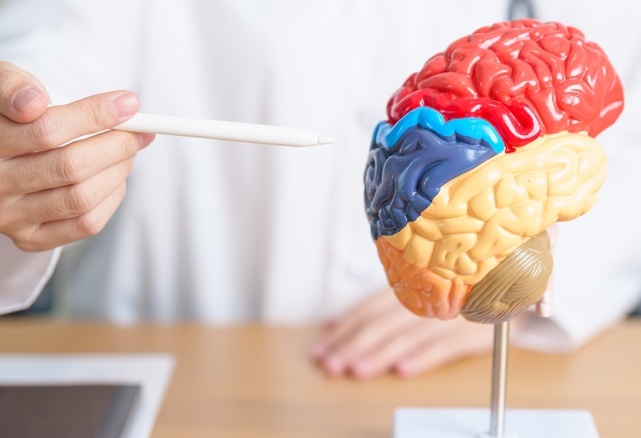
Psychological and behavioural after-effects of a stroke
Acquired brain injury alters the brain’s chemistry and connections. That is why you should not feel guilty if you no longer recognise yourself, or if you notice that your loved one “is not the same as before”. It is not a lack of willpower; it is a clinical symptom of the injury, and one that we can treat.
Post-stroke depression: more than just sadness
Depression is the most common emotional after-effect of a stroke. It is not simply the understandable sadness of having gone through a serious illness, but a physical change in the brain that makes it harder to feel joy, motivation or energy. Treating this depression early with neuropsychiatric support is key, because a person who is depressed will have far less strength to face their physical rehabilitation.
Personality changes, irritability and apathy
Changes in personality are very common after a stroke. The patient may become more irritable, lose patience easily or respond aggressively or, on the contrary, suffer from complete apathy and a lack of initiative. So-called emotional lability is also common: switching from laughter to uncontrollable crying within seconds and for no clear reason. All of this takes a heavy toll on the family, but it can be treated.
Our comprehensive assessment method
We know that mobility can be a challenge after a stroke. That is why we have designed a flexible care process adapted to your new reality, so that accessing medical care is as easy as possible.
1.
Fill in the contact form with your details. In your message, you can mention whether the patient has mobility difficulties or speech problems (aphasia) after the stroke, so that we can take this into account.
2.
We schedule an appointment. Our team will get in touch with you quickly to find the most suitable time, taking into account the schedule of your other rehabilitation therapies.
3.
On the day of the appointment, you can choose to come in person or have the consultation online from home, via a very simple link. This avoids unnecessary journeys and allows us to assess the situation in complete comfort.


M.H. Patient
My trusted psychiatrist for years
F.A. Patient
An excellent professional, caring and a great communicator
I’m very happy to have found someone like him. He is helping me a lot with my problems.
Frequently asked questions
Is it normal to feel so depressed after a stroke?
Is it normal to feel so depressed after a stroke?
Completely normal and very common. Post-stroke depression affects up to a third of patients. It is caused by a combination of two factors: the psychological impact of facing physical limitations, and the direct damage the stroke itself has caused to the areas of the brain that regulate emotions. It is a medical condition that requires treatment and responds very well to it.
My relative suddenly cries or laughs for no reason since the stroke. What is happening?
My relative suddenly cries or laughs for no reason since the stroke. What is happening?
This symptom is called “emotional lability” or pseudobulbar affect. It happens because the brain pathways that control the expression of emotions have been damaged. The patient may start crying or laughing out loud without it truly reflecting how they feel inside. It is a neurological symptom that can be treated with medication to avoid awkward or distressing situations.
Are personality changes and aggression after a stroke permanent?
Are personality changes and aggression after a stroke permanent?
Not necessarily. Although in the first weeks or months after acquired brain injury irritability and behavioural changes are very pronounced due to inflammation and the brain’s readjustment, early neuropsychiatric intervention helps to regulate these impulses. With time, rehabilitation and the right treatment, many of these symptoms ease considerably.
When should we see a psychiatrist after a stroke?
When should we see a psychiatrist after a stroke?
Ideally, you should seek help when you notice that emotional symptoms (deep sadness, loss of the will to live, extreme anxiety, insomnia) or behavioural symptoms (aggression, shouting, complete apathy) are interfering with physical rehabilitation or disrupting harmony and calm at home.